So you just got a new car. It looks fantastic. You might want to change the wheels later. That is a common thought. But before you start shopping online, you need some key info. Factory wheel specifications are not random numbers. They are a precise recipe for safety and performance.
Getting them wrong is bad. It can cause vibrations, ruin handling, or even damage your car. Let us unpack the important details. You will be a smarter shopper by the end.
The Basic Recipe: Size and Fitment
First, you need the correct size. This seems obvious. But it is more than just a diameter. You have the wheel width and the offset. The width is measured in inches. It affects how the tire sits. The offset is crucial. It determines how far the wheel tucks in or sticks out from the hub. Getting this wrong makes your wheels rub against the suspension or fenders. It is a costly mistake.
Consider a popular upgrade. A truck owner might swap to Chevy 20 inch factory wheels and tires from an accessory catalog. Those wheels are engineered for specific clearances. Random 20-inch wheels from another brand likely will not fit the same way.
The Bolt Pattern is Key
This is your car’s fingerprint. The bolt pattern is the number of lug nuts and the circle they form. A common pattern is “5×120”. This means five lug nuts on a 120mm circle. This number is non-negotiable.
A wheel with the wrong pattern simply will not bolt on. Some patterns are very similar. Do not guess. An incorrect fit is dangerous. Always verify your vehicle’s exact bolt pattern before buying anything.
Center Bore: The Hidden Hub
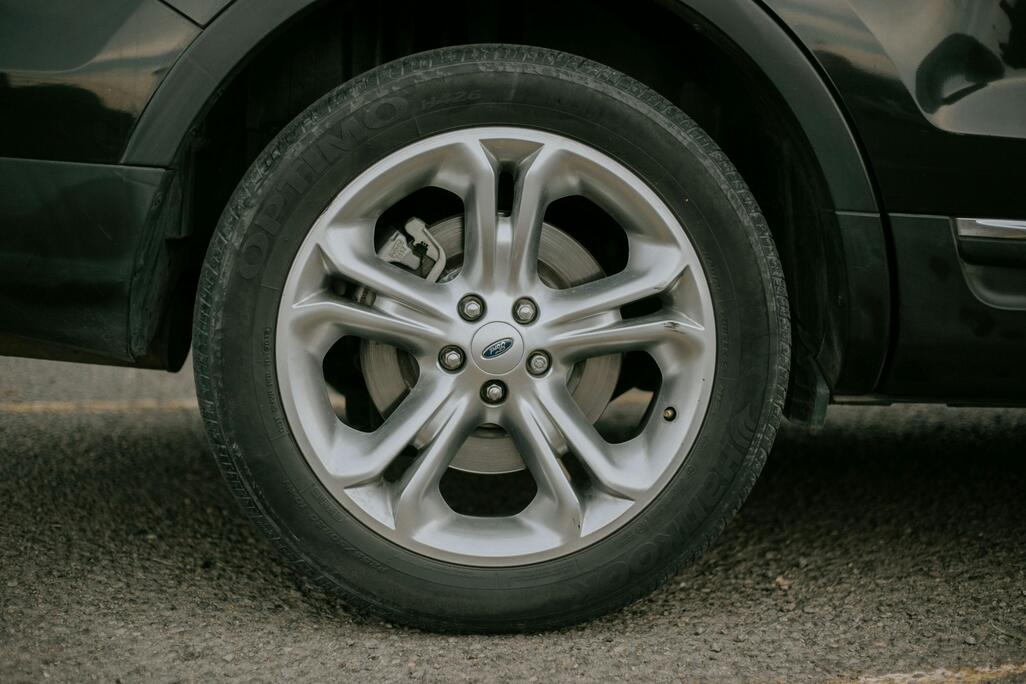
Look at the center of your wheel. That large hole is the center bore. It is not just for looks. It centers the wheel perfectly on the vehicle’s hub. Factory wheels have a bore that matches the hub exactly. This ensures a precise, vibration-free fit.
Aftermarket wheels often have a larger bore. They use universal hub-centric rings to fill the gap. You must use these rings. Skipping them means the lug nuts carry all the stress. This leads to vibrations and potential failure.
Load Rating: Don’t Skip This
Every wheel has a maximum load rating. This is the weight it can safely support. Your factory wheels are rated for your vehicle’s weight. If you install weaker wheels, you risk a catastrophic failure.
This is especially important for trucks and SUVs. Always choose aftermarket wheels with a load rating that meets or exceeds the factory specification. It is a critical safety checkpoint.
Tire Diameter: Keep It Consistent
Changing wheel size usually means changing tire size. The goal is to keep the overall tire diameter roughly constant. A vastly different diameter messes up your speedometer. It can confuse your anti-lock brakes and stability control systems.
Online tire size calculators are your friend here. You input your factory tire size. Then you input your desired new wheel and tire combo. The calculator shows you the new diameter. You want this number to be within 3% of the original.
The Material Matters
Factory wheels are usually made of aluminum alloy. They are strong and relatively light. Aftermarket wheels come in different materials. Cast alloy is common and affordable. Forged alloy is stronger, lighter, and more expensive.
The material choice affects performance, ride quality, and durability. A heavier wheel makes your suspension work harder. It can hurt acceleration and fuel economy.
TPMS Is Your Friend
Your Tire Pressure Monitoring System (TPMS) sensors live inside your wheels. They are attached to the valve stem. When you get new wheels, you have a choice. You can transfer your old sensors. Or you can buy new ones.
Do not just leave them out. Your dashboard will light up with a warning. More importantly, you lose a vital safety feature. Budget for TPMS sensors in your wheel upgrade plan.
The Final Word: Stick to the Spec
Upgrading your wheels is exciting. It transforms your car’s look. But it is not just about style. It is an engineering decision. Respect the factory specifications. They exist for your safety and your vehicle’s proper operation.
Do your homework. Measure twice, buy once. Your car will thank you with great handling and a smooth ride. Your new wheels will look amazing for the right reasons.