
With motor vehicle traffic on the rise on the UK’s roads, it’s more important than ever that drivers know how to stay safe while driving. That’s why we’re sharing our top tips for drivers, to help you get from A to B safely and without accident.
Defensive Driving Techniques
The principle behind defensive driving is in anticipating potential hazards and taking steps to minimise the likelihood of an accident. Driving defensively is about being aware of other road users at all times, knowing where your vehicle is in relation to others, and scanning the road ahead.
Defensive driving techniques also include:
- Understanding braking distances and maintaining an adequate distance between you and other road users
- Driving within the speed limit
- Knowing what road signs and markings mean
Combating Distraction and Fatigue
Driving while distracted is one of the most dangerous things you can do, putting you and other road users at risk.
Distractions might include:
- Mobile phone use (even when hands-free)
- Eating and drinking
- Conversations with passengers
- Dealing with children or pets in the backseat
- Changing the radio station or track on your car stereo
- Applying makeup, doing your hair or checking your reflection in your car’s mirrors
- Putting on or taking off clothing while driving
To avoid becoming a victim of distraction when driving, ensure you’re ready for your journey before setting off. For example, set your music to play, enter your destination into your GPS, put your mobile phone away, and let passengers know you need to concentrate.
Fatigue is another significant risk factor, and driving tired can dramatically increase your chances of being involved in a collision.
Ensure you take regular breaks on long journeys. You should plan to stop at least every two hours, for fifteen minutes, ideally more. If you feel yourself getting tired when driving, pull over as soon as it’s safe to do so. Fresh air, stretching, and a caffeinated drink like tea or coffee, is often enough to help you wake-up enough to continue your journey, but if not, consider a longer break or have someone else take over.
Vehicle Maintenance Essentials
Vehicle maintenance is key to making sure your car is road safe before any trip. Be sure to carry out regular vehicle checks, including tyre pressure and tread depth. You should also check your fluid levels, including oil, coolant and screenwash, and make sure all your lights are working, especially if you’ll be driving at night or in winter.
Adapting to Road and Weather Conditions
Even confident drivers can be caught out when driving somewhere new or when weather conditions change.
Be aware that different road types present different hazards and require different driving styles. Driving in the city may mean being more aware of pedestrians crossing and navigating narrow roads with parked cars, whereas rural roads often have higher speed limits but with multiple bends, limited visibility and the possibility of coming across livestock or farm vehicles.
Adverse weather conditions such as rain, fog, snow and ice can also affect visibility and significantly increase stopping distances.
Leveraging Technology for Safety
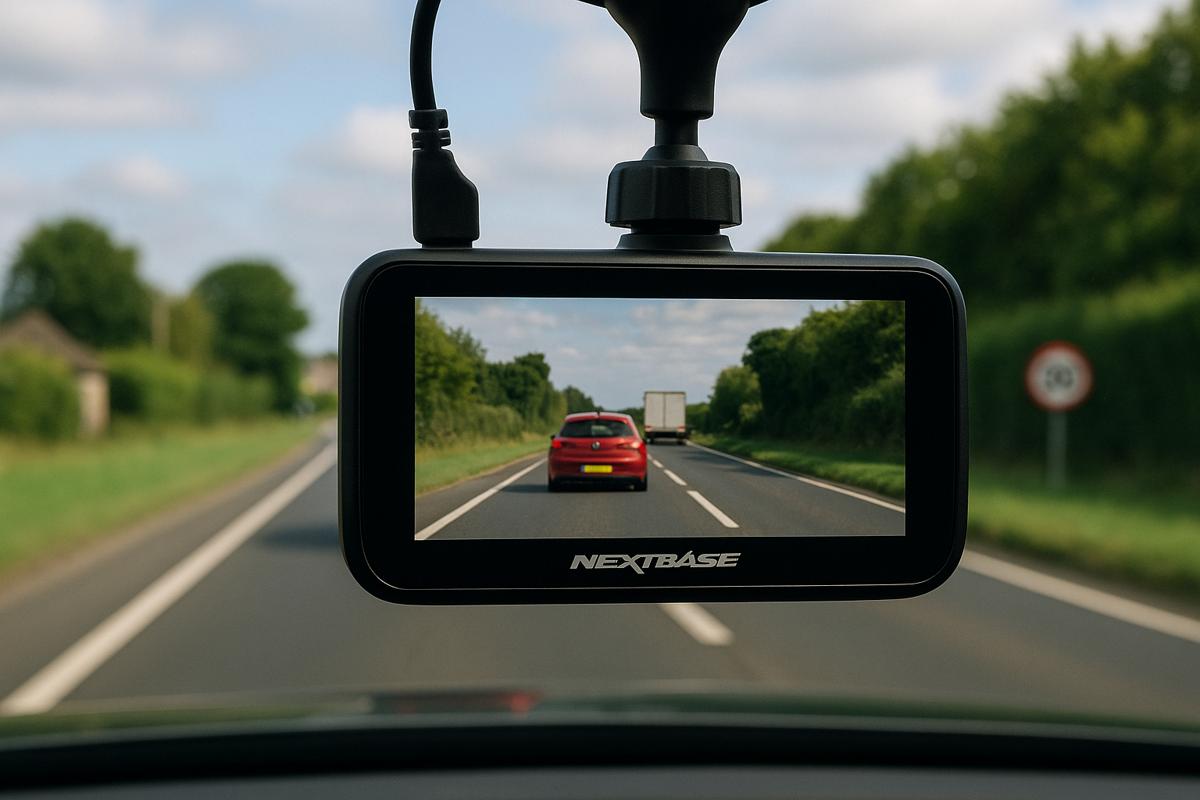
Modern technology, such as smart dash cams and advanced driver-assistance systems (ADAS), can contribute to safer driving.
Features such as collision warnings and lane keeping assistance can help drivers stay aware of potential hazards, while. dash cam footage helps remove dangerous drivers from the road and can prove invaluable in the event of an incident by accurately recording speeds, locations, and condition, providing a clear visual record of what exactly occurred.