
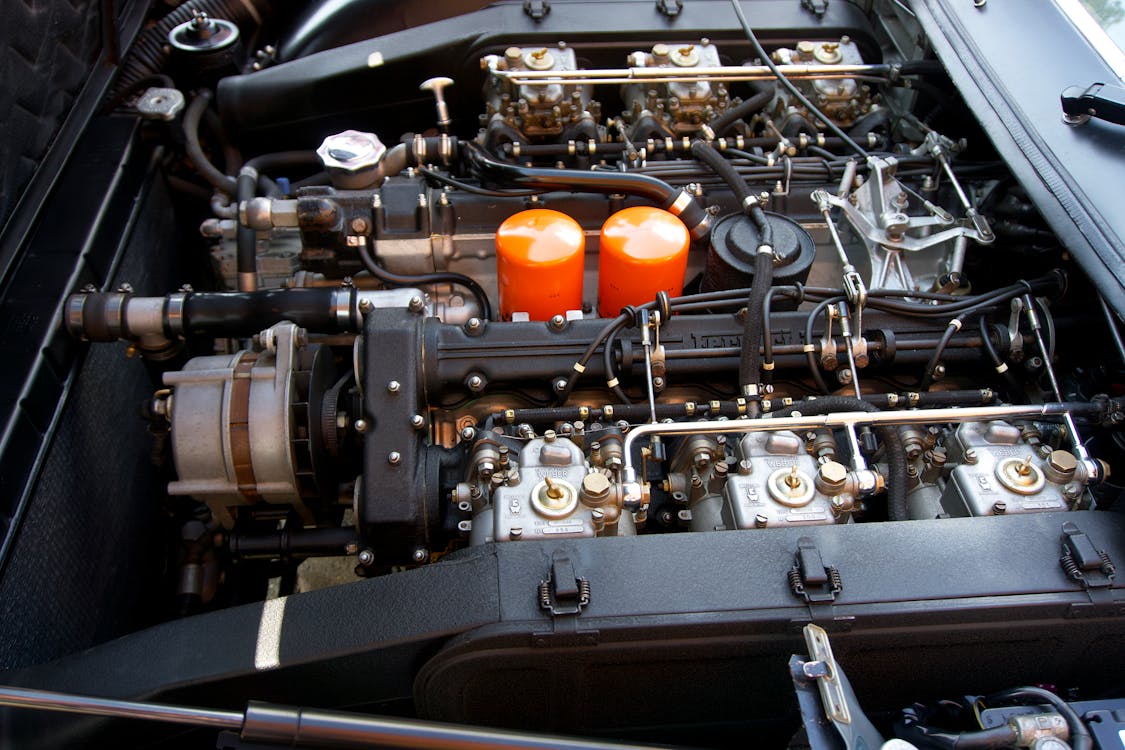
Carrying out regular maintenance tasks on your vehicle is essential, one of which is replacing the oil filter. This component is central to keeping your engine in peak condition, impacting everything from the cleanliness of your oil to the engine’s overall lifespan. With the cost of car repairs climbing by 6.5% last year, overlooking this basic item can result in steep repair bills down the road. Although oil changes frequently get more attention, the significance of the oil filter in safeguarding engine health cannot be understated and is often ignored by many drivers. Identifying early signs of wear in your oil filter allows you to address problems quickly and avoid substantial repair expenses. Consistent maintenance extends beyond merely averting significant breakdowns; it also guarantees that your vehicle operates smoothly and dependably.
Recognizing the First Signs
Understanding when to replace your oil filter is critical for maintaining engine health, and this necessity varies depending on the type of vehicle you operate. It’s extremely important to use official parts so you can rule out any other car issues For instance, if you drive a, let’s say, 2014 Chevy Cruze, using a specific 2014 Chevy Cruze oil filter ensures proper filtration and performance. The oil filter captures impurities within the oil, stopping them from reaching the engine and inflicting harm. Over time, the filter can become clogged, which compromises its effectiveness and impacts the engine’s functionality.
A neglected oil filter not only affects performance but can also lead to long-term damage to critical engine components, resulting in expensive repairs.
Decreased Engine Performance
A clogged oil filter can notably diminish your engine’s efficiency. As debris fills the filter, the engine finds it difficult to draw sufficient clean oil. This situation results in lowered power output, slower acceleration, and an overall decline in engine performance. In extreme cases, a clogged filter can trigger the engine to enter “limp mode,” a protective state that severely limits performance to prevent further damage.
Dirty Exhaust Emissions
When an oil filter has outlived its usefulness, it becomes less effective at removing impurities. Consequently, dirtier oil circulates within the engine, potentially increasing emissions. Should you observe darker smoke or detect an odd odor emanating from your exhaust, it may indicate that your oil filter requires inspection. Continuing to operate a vehicle with such emissions can lead to further complications, including the blockage of the catalytic converter, a costly part to replace.
Oil Leak and Splotches Under the Car
Old or overused oil filters can also lead to leaks. These leaks may manifest as oil spots or puddles under your vehicle when parked. Frequently examining the location where your vehicle is parked can assist in the early detection of fluid leaks. It is also vital to inspect the oil filter for any signs of damage or incorrect fitting during standard vehicle check-ups, as these could lead to leaks.
Dashboard Alert Indicators
When indicators such as the oil change alert or the check engine light activate, it often suggests a potential issue with your oil filter. These indicators are components of your vehicle’s integrated diagnostic system that monitors functions like oil circulation and quality. Although these alerts could signal different issues, overlooking them is not advisable. A detailed examination, which includes the oil filter, can clarify the specific problem.
Increased Fuel Consumption
An obstructed oil filter forces the engine to operate with more effort, resulting in higher fuel consumption. Tracking changes in your vehicle’s fuel efficiency can hint at the condition of the oil filter. A higher-than-usual fuel usage could suggest it’s time to examine the oil filter. Persistent poor fuel efficiency could also point to other issues, such as aging spark plugs or a faulty oxygen sensor, but the oil filter should be checked early in the diagnostic process.
Unusual Engine Sounds
If your engine starts making odd noises, such as knocking or rumbling, this could indicate an issue with the oil filter. These sounds typically point to a blockage in the filter, restricting the supply of clean oil and causing unusual wear among engine components. Disregarding these audible alerts can result in major mechanical failures, including damage to pistons, crankshafts, or camshafts, which are expensive to fix.

Conclusion
Replacing your oil filter is a straightforward but essential part of vehicle upkeep. Doing this routinely as part of your maintenance routine can avert more severe complications and aid in keeping your engine performing smoothly. Always tailor maintenance to your specific vehicle model and seek advice from a professional mechanic to ensure peak performance. Investing in regular maintenance now can prevent hefty repair costs later. So, ask yourself, when did you last inspect your oil filter?