For many people, driving represents freedom and autonomy. Yet there comes a point in life when getting behind the wheel may no longer be safe or practical. This transition can be particularly challenging for those who have spent decades relying on their car for daily activities.
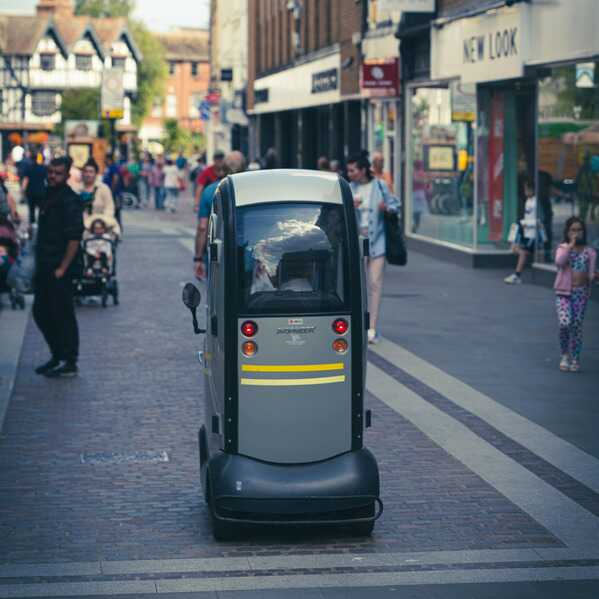
Mobility scooters offer a practical alternative, enabling independent trips to shops, friends, or outdoor activities without relying on others. With various models available, from compact folding designs to robust all-terrain options, disability scooters can be matched to suit different lifestyles and needs.
The growing popularity of mobility scooters in the UK highlights their importance in helping people with reduced mobility stay active and engaged. For many former drivers, these scooters represent not just a mode of transport, but an essential link to continued community participation and personal freedom.
Alternative Transport Solutions for Former Drivers
When driving is no longer possible, choosing reliable mobility scooters in various styles can support ongoing independence. However, several other transport options exist for former drivers in the UK. Public transport offers widespread coverage but presents challenges for those with mobility limitations.
While major cities have accessible buses and trains, rural areas often have limited service. Most UK buses now feature low floors and wheelchair spaces, making them generally suitable for those with mobility concerns. Still, older train stations may lack step-free access, requiring extra planning. The National Rail Enquiries website provides up-to-date details about accessible stations and services.
Community transport schemes fill gaps where public options are unavailable. These services offer practical travel for people who cannot use standard public transport due to unsuitable routes or timetables. In many areas, dial-a-ride transport allows individuals to request door-to-door journeys that suit their personal schedule instead of relying on fixed bus routes.
Accessible taxis offer another flexible option for those without a car. Many UK cities have vehicles with wheelchair access, though availability varies by area. Some local councils provide taxi voucher programmes for older or disabled residents, helping reduce costs for necessary journeys such as shopping, hospital visits, or social outings.
Mobility Scooters as a Practical Alternative
Mobility scooters come in different classes under UK regulations, each suited to particular needs. Class 2 scooters are pavement-only vehicles with a maximum speed suitable for short trips. Class 3 scooters are road-legal with a higher top speed on roads (limited to lower speeds on pavements).
Class 3 models include lights, indicators, and a horn for road safety. The main difference between mobility scooters and powered wheelchairs lies in their design and control. Scooters have tiller steering (like a bicycle handlebar) and require some upper body mobility. Powered wheelchairs use joystick controls and suit people with limited upper body strength.
Most mobility scooters travel 10–30 miles per charge, depending on model and battery size. Smaller travel scooters might manage shorter distances, while larger road models can cover longer journeys. For those looking at mobility scooter for sale options, Mobility Centres throughout the UK offer assessment services and trials.
Adapting Your Home and Lifestyle
Accommodating a mobility scooter requires thoughtful home modifications. Consider installing ramps at entrances with steps to ensure easy access. Doorways may need widening to accommodate your scooter’s width, particularly in older properties with narrow frames. A dedicated storage area with access to electrical outlets for charging is necessary for keeping your scooter in good condition.
Weather protection becomes important when using a scooter regularly. Investing in waterproof covers and clothing helps support year-round mobility regardless of typical British weather. Planning journeys takes on new importance when using a mobility scooter. Apps like AccessAble and Wheelmap can help identify accessible routes and facilities before leaving home.
Staying socially connected remains necessary after giving up driving. Consider joining local mobility scooter groups where members share their experiences and organise group outings. These communities provide both practical advice and social interaction that helps counter isolation often linked to reduced mobility.
Financial Support and Funding Options
The Motability Scheme offers a practical route to mobility scooter ownership for those receiving certain disability benefits. Eligible individuals can exchange their mobility allowance to lease a new scooter, with insurance, breakdown assistance, and maintenance included. This removes the burden of large upfront costs and ongoing repair concerns.
VAT exemption provides savings when purchasing mobility equipment. If you have a long-term disability or chronic illness, you may qualify for zero-rated VAT on mobility scooters and accessories, potentially saving on your purchase. Your supplier can provide the necessary exemption forms during the buying process.
Local authorities sometimes offer Disabled Facilities Grants to help with home adaptations needed for scooter use, such as ramps or storage solutions. Charities including Independence at Home and the ACT Foundation provide grants toward mobility equipment for those facing financial hardship. When looking for disability scooters for sale, contact your local council’s social services department to find out about support in your area.
Improvements
UK Mobility Scooter Classes and Where They Can Be Used
Class 1 mobility scooters serve as manually operated or electrically powered wheelchairs designed for indoor environments. These models move at walking pace, allowing safe navigation across rooms, narrow hallways, and standard doorways in private homes or care settings. Their compact design enables users to move between furniture easily and rotate within small living spaces.
Class 2 mobility scooters have a maximum speed suitable for pavement use only. They cannot be used on roads except when crossing. These models are commonly chosen for shopping trips and short journeys. They often feature smaller frames and some can be disassembled for transport in a car boot.
Class 3 mobility scooters can travel at higher speeds and can be used on roads and pavements, though speed is restricted on pavements. These vehicles must be registered with the DVLA and display a nil-duty tax disc. They must have lights, indicators, a horn, and a rear-view mirror for road use. Full details of requirements are outlined on the UK Government’s official mobility scooter rules page.
10-Point Assessment for Choosing the Right Mobility Solution
Consider your typical journey distances as this determines the necessary battery range. For neighbourhood outings, models with modest range may suffice, while regular trips to town require a scooter capable of longer distances between charges. Assess your physical ability as operating a scooter with tiller steering requires some upper body strength and coordination.
Review your home environment carefully. Doorways and hallways must accommodate your scooter’s width. Measure the tightest spots to confirm compatibility. Storage space with charging access is necessary. A scooter parked near an electrical outlet enables regular overnight charging, supporting battery health and ensuring your scooter is ready when needed.
Consider your transport needs and if you need to transport the scooter in a car. Folding models offer convenience but may have limited range. Weather protection features become important for year-round use in the British climate. Budget constraints and funding options should be checked before purchase to ensure sustainable ownership.
Adjusting to life without driving is never easy, but combining practical solutions makes the change manageable. Mobility scooters, public transport, and community schemes offer more than transport. They keep people connected to routines, friends, and freedom. With the right planning and support, former drivers can continue to lead active, fulfilling lives. This transition is not an end to independence, but a new way of experiencing it.