The ignition switch part of any gasoline-powered vehicle, allows the driver to start the engine with the turn of a key. But the simplicity of this action belies the incredible technological advances that have gone into developing and improving the ignition system over more than a century of automotive history. From the earliest mechanical switches to the electronic control modules of today, we trace the fascinating evolution of this crucial component.
How Does Ignition Work?
First, it’s important to know how ignition works. Internal combustion engines require the ignition of an air-fuel mixture to generate power. This is accomplished through either spark ignition, where an electric spark from a spark plug ignites the mixture, or compression ignition, where the heat and pressure of compression spontaneously ignites the mixture.
Spark ignition engines have been the dominant technology, used in most gasoline-powered vehicles for over a century. The spark plug delivers a high voltage spark across an electrode gap to ignite the air-fuel mixture inside the combustion chamber. This controlled ignition allows the combustion event to be timed for optimal efficiency and performance. The seemingly simple electric spark that powers these engines belies the remarkable evolution in ignition control technology that has occurred over more than a hundred years of automotive innovation.
The Rise of the Mechanical Switch
In the early days of the automobile industry, ignition switches were entirely mechanical devices. One of the first was the switch used by Karl Benz in his Motorwagen, patented in 1886. This switch worked by connecting two dry cell batteries to a coil ignition system to produce a high voltage spark and ignite the engine. The switch was simply turned on and off manually to start and stop the car.
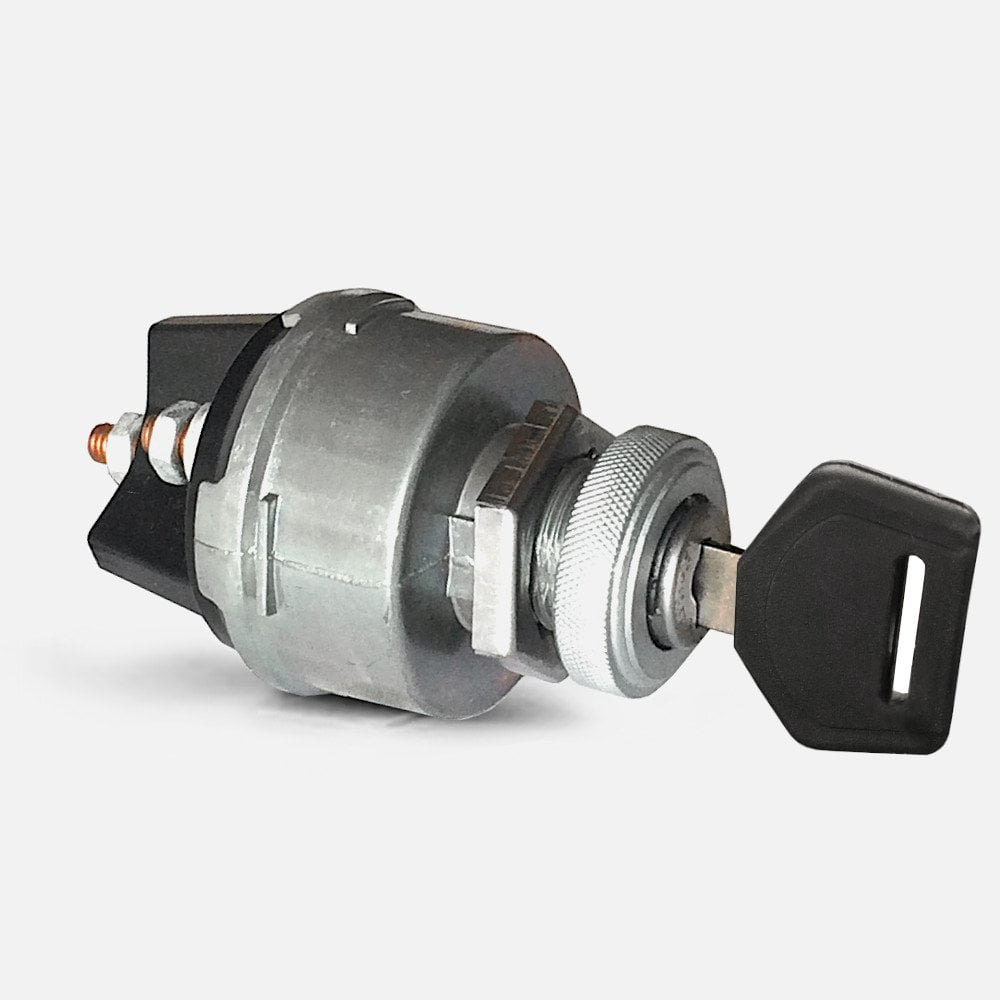
Over the next few decades, mechanical ignition switches became standard equipment across the growing auto industry. Turning the switch engaged the starter motor to crank the engine. Once it was running, the switch completed the circuit to the ignition system so the spark plugs could fire to continue powering the engine. The introduction of the electric starter motor in 1912 led to the familiar ignition switch design recognisable today – a key slot and tumbler mechanism that allows the driver to start the car with the turn of a key.
Mechanical ignition switches reigned supreme for the first half of the 20th century. They were simple and reliable, giving drivers complete control over starting their vehicles. The turning of the ignition key became synonymous with driving as automobiles spread in popularity.
The Rise of the Electromechanical Switch
It wasn’t until the 1960s that the automotive industry began transitioning from mechanical to electromechanical ignition switches. These incorporated basic electronics and relays to control more complex ignition system components like the distributor. Electromechanical ignition switches marked a turning point as traditional mechanical parts began making way for electronics under the bonnet. More reliability, precision, and configurability were now possible.
With electromechanical switches, turning the ignition key closed an electrical circuit that activated the starter motor and ignition system. Additional wiring and relays replaced the direct mechanical linkages of older switches. This allowed more sophisticated control and safety interlocks to prevent accidental starting or engine cutoff while driving.
Modern Computerised Ignition Controls
Fast forward to today and mechanical switch components have been completely replaced by electronic control units. The computerised ECU takes inputs from sensors throughout the engine and controls all aspects of ignition and fuel injection timing for optimal performance and efficiency.
Turning the ignition key now simply sends an electronic signal to the ECU to start the car. Some modern key fobs don’t even require a physical key – just the press of a button. The complex inner workings are seamlessly handled by the computerised control system.
While digitisation has modernised ignition control, the basic spark plug system remains fundamentally unchanged since the 19th century. As information taken from roadandtrack.com states “spark plugs and compression ignition will probably continue to dominate for some time to come.” The simple concept of using an electric spark to ignite fuel is still at the heart of gasoline engines over 130 years after the first prototypes.
The ignition switch, however, has undergone a remarkable evolution from crude mechanical beginnings to the sleek digital controls of today. It exemplifies the tremendous advancements in automotive technology over more than a century of innovation.