
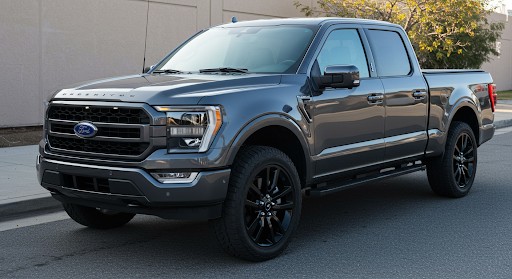
Truck owners in 2025 aren’t waiting for the next model year to get what they want. Instead, they’re rolling up their sleeves, chasing better performance, more style, and a little extra utility, without the sticker shock of a custom shop.
The latest trends in wheels, lighting, and bed protection promise big changes in a single weekend. But does every mod deliver? That’s up for debate.
This guide covers:
- The best DIY wheel, tire, and suspension upgrades for modern trucks (or at least the ones that don’t require a lift and a prayer)
- Lighting mods for safety, style, and off-road adventures
- Bed protection and storage solutions you can install yourself, if you’re patient
- Smart tech and exterior styling tips for a unique look (and maybe a few headaches)
5 Best Trucks to DIY Modify in 2025 & Resale Value Impact
It’s tempting to think any truck can be modded with ease, but some models are just friendlier to DIYers. And while resale value can go up, it’s never a sure thing.
| Truck Model | DIY Mod Friendliness | Avg. Resale Value Increase (%) | Most Popular DIY Mods |
| Ford F-150 | Excellent | 8% | Wheels, lighting, bed covers |
| Toyota Tacoma | Very Good | 7% | Suspension, lighting, tech |
| Chevrolet Silverado | Excellent | 9% | Wheels, bed covers, grilles |
| Ram 1500 | Good | 6% | Lighting, tech, bed storage |
| GMC Sierra 1500 | Very Good | 7% | Wheels, suspension, lighting |
But does every mod boost value? Not always. Some buyers love upgrades, others see them as red flags. The debate continues.
Wheels and Tires Upgrades
Upgrading wheels and tires is the classic DIY move, everyone notices, and the payoff can be huge. Or not. Sometimes, it’s just a new set of problems. In 2025, bold wheel designs and versatile tires are everywhere, but the “right” setup depends on more than just what looks good on Instagram.
Choosing the Right Wheel Size
Bigger wheels, bigger presence. That’s the trend, anyway. 22-inch wheels are all over the place for their aggressive stance and road-commanding look. They can sharpen handling on pavement, but only if the tire profile matches; otherwise, expect rubbing, weird noises, or worse.
“Upgrading to larger wheels and all-terrain tires not only transforms the look of your truck, but also improves handling and off-road capability, just make sure to recalibrate your speedometer after installation.”, Chris Duke, Host of Motorz TV
But does everyone need 22s? Not really. Some swear by them, others regret the ride quality. The debate isn’t going away.
Tire Types for Different Uses
Tires are where the rubber meets the road, literally. All-terrain tires are the go-to for those who split time between city and trail, while mud-terrain options are for the truly adventurous (or the perpetually stuck). Highway drivers might prefer performance tires for a quieter, smoother ride. But even the best tire can’t fix a bad alignment or a mismatched wheel.
Installation Tips and Common Mistakes
Swapping wheels and tires sounds easy, until it isn’t. The most common blunder? Forgetting to recalibrate after changing wheel size. Suddenly, the speedometer’s lying and the ABS throws a fit. Always use a torque wrench, double-check fitment, and don’t trust that “universal” means “perfect fit.” It rarely does.
Lighting Upgrades
Lighting mods are the low-hanging fruit of truck upgrades, easy, dramatic, and (usually) legal. But not all bulbs are created equal, and some upgrades can cause more trouble than they’re worth.
Benefits of LED and Aftermarket Headlights
Swapping out factory bulbs for LEDs or projectors is the hot trend for 2025. Many drivers are turning to aftermarket headlights for that crisp, white beam that slices through the dark. The result? Better visibility, a modern look, and maybe a few jealous glances. But not every upgrade is plug-and-play, and some setups can blind oncoming traffic if not aimed right.
Adding Light Bars and Bed Lighting
Light bars are a favorite for off-roaders, but they’re not just for show. They light up trails, campsites, and the occasional backyard project. Bed lighting kits, usually adhesive LED strips, make loading cargo at night less of a guessing game. Both are usually easy to install, but cheap kits can fail fast.
Electrical Safety and Compatibility
Adding new lights means more strain on the truck’s electrical system. Overload a circuit, and it’s blown fuses or worse. Always use relays and fuses as recommended, and don’t skip the wiring diagrams. Some owners learn this the hard way.
Bed Protection and Storage
Protecting the bed isn’t just about looks; it’s about keeping cargo safe and resale value high. But not every cover or liner is worth the hype.
Hard Truck Bed Covers vs. Soft Covers
Bed covers come in all shapes, but hard truck bed covers are the top pick for security and weather resistance. They keep gear dry, deter thieves, and can even help with fuel economy (supposedly). Soft covers are lighter and cheaper, but don’t expect the same level of protection. Some owners swear by hard covers, others find them a hassle.
DIY Bed Liner Application
Spray-on and roll-on bed liners are classic DIY projects. They add a tough, non-slip surface that shrugs off scratches and rust. But prep is everything; skip the cleaning and sanding, and the liner will peel. Some say it’s worth the effort, others just throw in a rubber mat and call it a day.
Bed Storage Solutions
Modular bins, sliding drawers, and under-bed toolboxes, there’s no shortage of ways to organize a truck bed. Most bolt in with basic tools, but not every system fits every truck. Sometimes, the “universal” label is more wishful thinking than reality.
Suspension and Leveling Kits
Suspension mods can change a truck’s look and feel overnight, or ruin it just as fast. Leveling kits are the DIY favorite for 2025, letting owners fit bigger tires and fix that factory nose-dive.
Leveling Kits vs. Lift Kits
Leveling kits raise the front to match the rear, making room for larger wheels and tires. Lift kits go further, adding ground clearance for serious off-roading. But lift kits are more complex, and a bad install can mean a bouncy, unpredictable ride. Most leveling kits are a few hours’ work, but not every “easy” kit lives up to the promise.
Step-by-Step DIY Installation
Start by lifting the truck safely and removing the front wheels. Install spacers or new struts as directed, then reassemble and torque everything to spec. Sounds simple, but missing a step can mean trouble down the road. Always check for clearance and alignment before driving.
Alignment and Safety Checks
After any suspension work, a professional alignment isn’t optional; it’s essential. Skipping this step leads to uneven tire wear and weird handling. Some try to eyeball it, but that rarely ends well.
Tech and Smart Accessories
Modern trucks are rolling computers, and tech upgrades are everywhere. But not every gadget is worth the dash space.
Dash Cams, OBD2 Scanners, and Infotainment Upgrades
Dash cams record every mile, sometimes that’s a blessing, sometimes a curse. OBD2 Bluetooth scanners let owners keep tabs on engine health from a phone. Upgrading infotainment with wireless CarPlay or Android Auto brings navigation and music to the dash, but installation can be hit or miss.
Solar Panels and Power Accessories
Portable solar panels are catching on for camping and road trips. They’re easy to mount and connect, but don’t expect miracles. Charging a phone is one thing, running a fridge is another.
Custom Grilles and Exterior Styling
Personalizing a truck’s exterior is part art, part science. The latest trends mix style with function, but not every mod is a winner.
Grille Types and Installation
Mesh, billet, LED-integrated, custom grilles change a truck’s face and sometimes improve airflow. Most are direct replacements, but some require more patience than expected. The payoff? Sometimes it’s worth it, sometimes it’s just another thing to clean.
Fender Flares, Bull Bars, and Running Boards
Fender flares keep rocks off the paint, bull bars add a tough look and some protection, and running boards make climbing in easier, especially on lifted trucks. But every add-on is a trade-off: more weight, more wind noise, or just more stuff to break.
Making Your Truck Stand Out in 2025
DIY truck mods in 2025 are about more than just turning heads; they’re about making a pickup fit a lifestyle, boosting performance, and maybe even squeezing out a little extra resale value. But for every success story, there’s a project that went sideways.
- Choose upgrades that match driving habits and local climate (easier said than done).
- Always recalibrate systems after major changes like wheels or suspension.
- Check compatibility and legal requirements before starting, unless you like surprises.
With a little research and a lot of patience, a pickup can become a true reflection of its owner’s needs and quirks. But will it hold its value? That’s anyone’s guess.
FAQs
What are the easiest truck mods for beginners?
Simple upgrades like LED bulbs, bed liners, and bolt-on fender flares are usually the safest bets for beginners. They don’t require fancy tools and can be done in an afternoon, unless something goes wrong, which it sometimes does.
Do aftermarket headlights affect warranty?
Aftermarket headlights might affect a warranty if they cause electrical issues or aren’t installed correctly. Using DOT-approved products and following the instructions helps, but some dealers are stricter than others.
How much value do DIY mods add to a truck?
Quality DIY mods can bump resale value by 6–9%, especially on popular models with in-demand upgrades like wheels, lighting, and bed covers. But not every buyer cares, and some are wary of modified trucks.
Can I install a hard truck bed cover myself?
Most hard truck bed covers are designed for DIY installation with basic tools. But “easy” is a relative term; some installs go smoothly, others test your patience.